
Change Management Books for 2026
Posted by BookPal Marketing on Jan 27, 2026
Books for AI, Hybrid Work, and Role Restructuring
January tends to hit like a reset button at work: new goals, new systems, new expectations, and a whole lot of “So… what’s changing?” Whether you’re accelerating AI adoption, refining your hybrid work approach, or navigating a return to office shift, the challenge isn’t announcing the change. It’s helping people understand it, trust it, and move through it without unnecessary friction.
That’s where effective change management shines. The smoothest transitions aren’t driven by grand speeches or “figure it out as you go” energy; they’re built on clarity, consistency, and practical support for managers and teams.
In this guide, we’ll break down three major workplace changes showing up right now and share straightforward ways to make those transitions feel seamless. Then we’ll pair each topic with workplace books that go deeper on the mindset, skills, and leadership habits that make change stick.
How Should Leaders Introduce AI at Work to Increase Trust and Usage?
AI is moving from “nice-to-have experiment” to a daily way of working, which is exactly why solid change management matters. Most AI rollouts don’t stumble because the tech is confusing; they stumble because people are. If employees aren’t sure what’s allowed, what “good” looks like, or whether AI is meant to help them or replace them, you’ll get hesitation, inconsistent use, and frustration fast.
The smoothest AI adoption starts with clarity and practicality. Focus on a handful of real, low-risk ways AI can support existing work, then communicate simple guardrails in plain language, such as: what data should never be used, what requires human review, and where AI can be used confidently. Train managers early so they can answer questions consistently and keep the temperature down. And instead of a big-bang launch, run a pilot, share what’s working, and scale with real examples. When you frame AI as a skill-building shift, people are more likely to try it, trust it, and stick with it.
To help leaders and teams go deeper, the AI books and books for AI we’ve included below offer practical guidance on using AI at work responsibly.
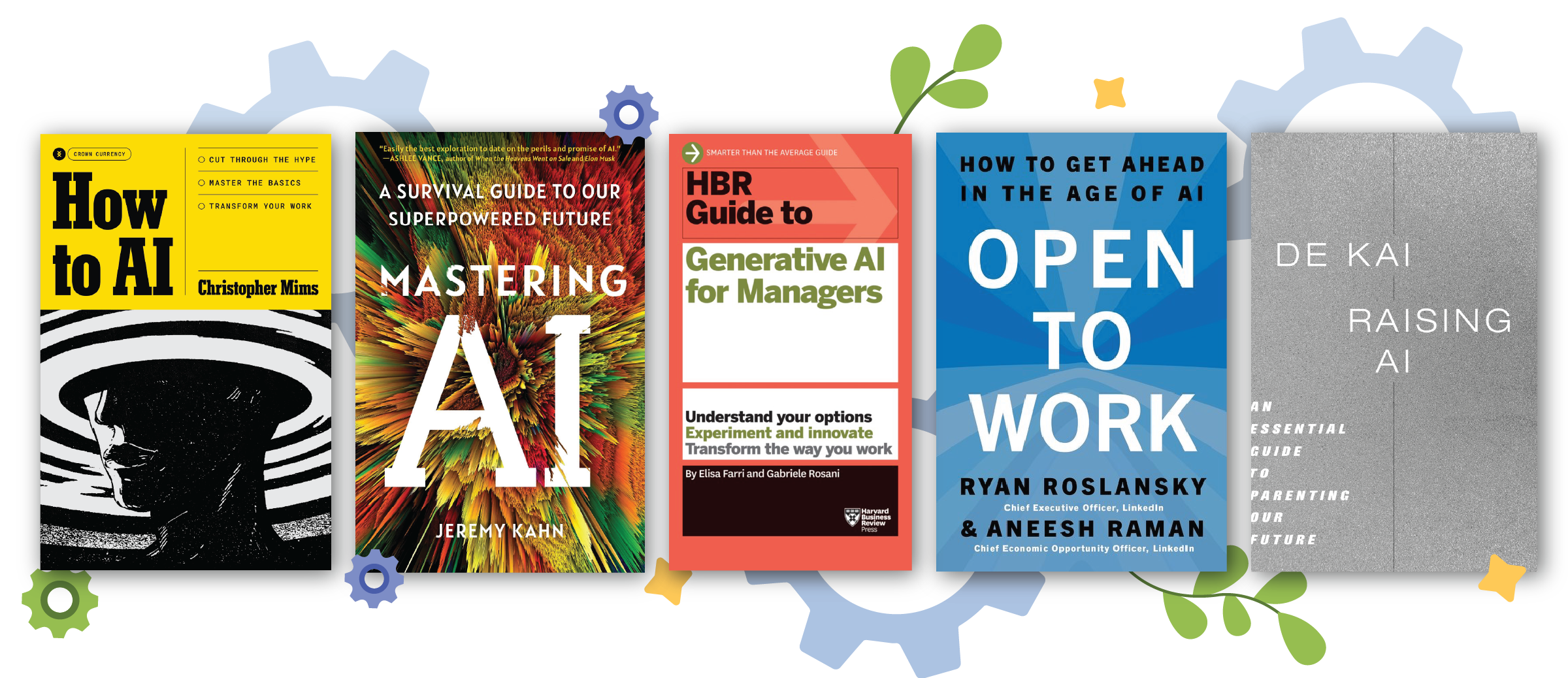
Books for AI Adoption at Work:
- How to AI: Cut Through the Hype. Master the Basics. Transform Your Work. by Christopher Mims
- Mastering AI: A Survival Guide to Our Superpowered Future by Jeremy Kahn
- HBR Guide to Generative AI for Managers by Elisa Farri and Gabriele Rosani
- Open to Work: How to Get Ahead in the Age of AI by Ryan Roslansky and Aneesh Raman
- Raising AI: An Essential Guide to Parenting Our Future by De Kai
How Do You Build a Return-to-Office Plan That Works?
Hybrid isn’t going away, it’s evolving. Many organizations are refining hybrid work models, rethinking remote work, and bringing more structure to the work arrangement, often including a renewed push toward in-person time. The tension usually isn’t about whether people can do great work in different locations; it’s about inconsistency. When expectations vary by team or manager, employees experience the change as unfair and confusing.
A smoother transition starts with a clear management plan that explains the purpose behind in-office time and what success looks like. Instead of treating the office space as the default setting, define what it’s for, such as collaboration, onboarding, team connection, or certain types of meetings. Be sure to also protect flexibility when it makes sense. The most successful change management here comes down to clarity and consistency: define the expectations, apply them evenly, and give managers practical guidance for handling common scenarios so the shift feels intentional, not improvised.
Hybrid Work + RTO Books to Read Next:
- The World Is Your Office: How Work from Anywhere Boosts Talent, Productivity, and Innovation by Prithwiraj Choudhury
- Re-Culture: A Leadership Guide to Restore Connection, Collaboration, and Trust in Today's Disconnected Workplace by Adam Markel
- The Happiness Files: Insights on Work and Life by Arthur C. Brooks
- The Next Conversation: Argue Less, Talk More by Jefferson Fisher
- Never Lead Alone: 10 Shifts from Leadership to Teamship by Keith Ferrazzi with Paul Hill

How Do You Restructure Roles Without Losing Trust or Productivity?
Restructuring roles can be one of the most disruptive workplace changes, not because people can’t adapt, but because unclear expectations create stress fast. When responsibilities shift, teams start asking the same questions: Who owns what now? What changed in my day-to-day? What does success look like? Without clarity, work slows down, collaboration gets bumpy, and even strong performers can feel rattled.
The smoothest role transitions borrow from a continuous improvement mindset: treat the restructure as a living system you refine, not a one-time announcement you hope sticks. The most effective management approaches focus on outcomes and ownership rather than titles, so people understand the “why” behind the shift and where their decisions begin and end. Make sure to have clear management models, who leads, who supports, and who approves, to reduce overlap and prevent work from falling through the cracks.
And because role changes often ripple across timelines and workflows, it helps to involve project managers early to map dependencies, set transition checkpoints, and keep the organization moving while the new structure settles in.
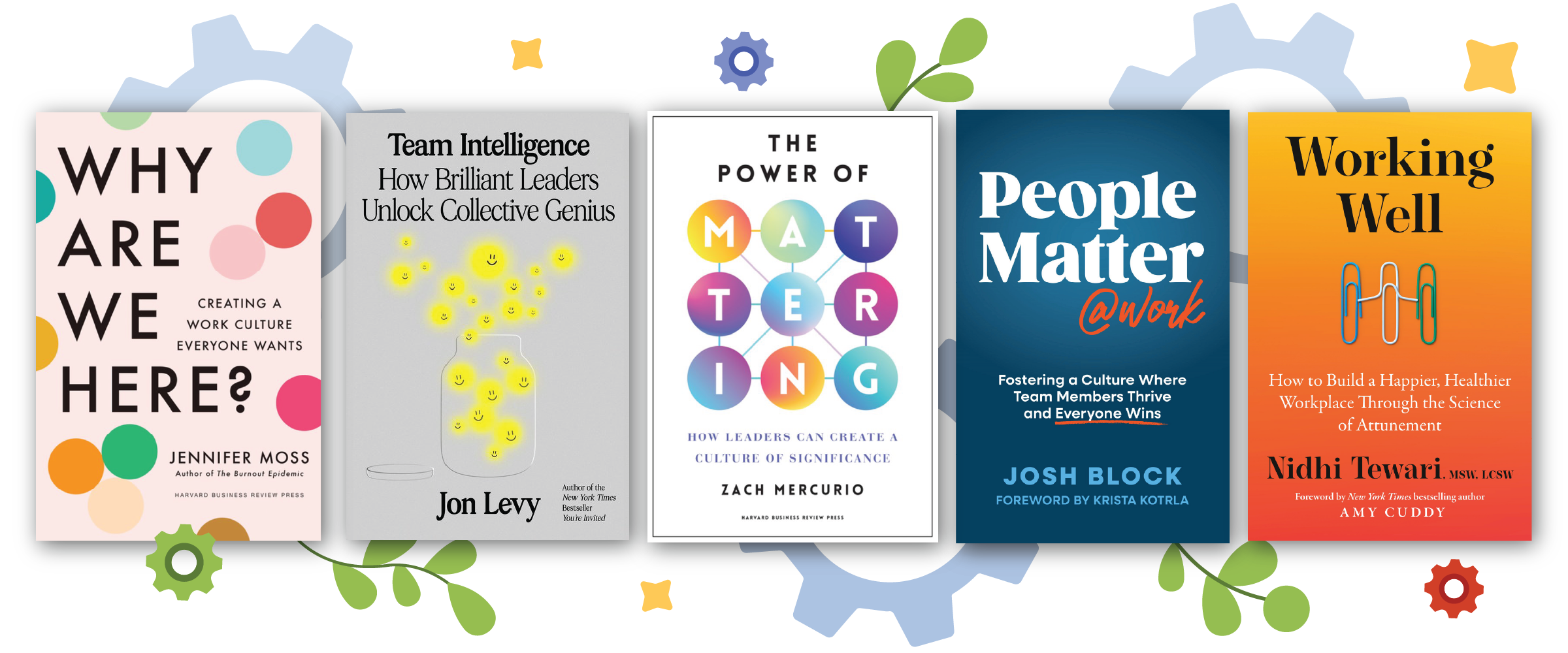
Best Books for Organizational Restructuring:
- Why Are We Here?: Creating a Work Culture Everyone Wants by Jennifer Moss
- Team Intelligence: How Brilliant Leaders Unlock Collective Genius by Jon Levy
- The Power of Mattering: How Leaders Can Create a Culture of Significance by Zach Mercurio
- People Matter at Work: Fostering a Culture Where Team Members Thrive and Everyone Wins by Josh Block
- Working Well: How to Build a Happier, Healthier Workplace Through the Science of Attunement by Nidhi Tewari
Change is showing up everywhere right now, from AI adoption to evolving hybrid work models and shifting roles across teams. The good news is that these transitions don’t have to feel disruptive. With clear expectations, steady communication, and a plan that supports people (not just processes), even big shifts can feel more seamless. And when you pair that approach with the right workplace books, teams gain a shared language, practical tools, and the confidence to move forward together without the unnecessary friction.
If any of the titles above caught your eye, or if you have a different book in mind, BookPal can help. Request a quote to connect with one of our dedicated book experts, and we’ll help you find the right fit for your goals, audience, and budget.