
Overview
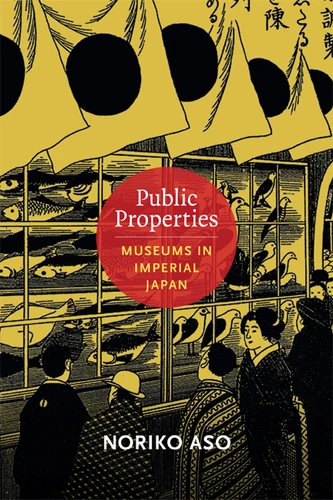
In the late nineteenth century, Japan's new Meiji government established museums to showcase a national aesthetic heritage. Inspired by Western museums and expositions, these institutions were introduced by government officials hoping to spur industrialization and self-disciplined public behavior, and to cultivate an "imperial public" loyal to the emperor. Japan's network of museums expanded along with its colonies. By the mid-1930s, the Japanese museum system had established or absorbed institutions in Taiwan, Korea, Sakhalin, and Manchuria. Not surprising, colonial subjects' views of Japanese imperialism differed from those promulgated by the Japanese state. Meanwhile, in Japan, philanthropic and commercial museums were expanding, revising, and even questioning the state-sanctioned aesthetic canon. Public Properties describes how museums in Japan and its empire contributed to the reimagining of state and society during the imperial era, despite vigorous disagreements about what was to be displayed, how, and by whom it was to be seen.
The book, Public Properties: Museums in Imperial Japan (Asia-Pacific: Culture, Politics, and Society) [Bulk, Wholesale, Quantity] ISBN#9780822354130 in Hardcover by Noriko Aso may be ordered in bulk quantities. Minimum starts at 25 copies. Availability based on publisher status and quantity being ordered.
Details
Format:
Hardcover
Publication Date:
11/27/2013
ISBN-10:
0822354136
ISBN-13:
9780822354130
Pages:
320
Publisher:
Duke University Press